
New pool enclosures
Coordinate the proposed barrier with the pool layout, yard, access points, and surrounding structures.
Pool Fencing
Plan the fence, gates, and access points together, with your property’s applicable barrier requirements in mind.
Call or text (678) 245-1920.
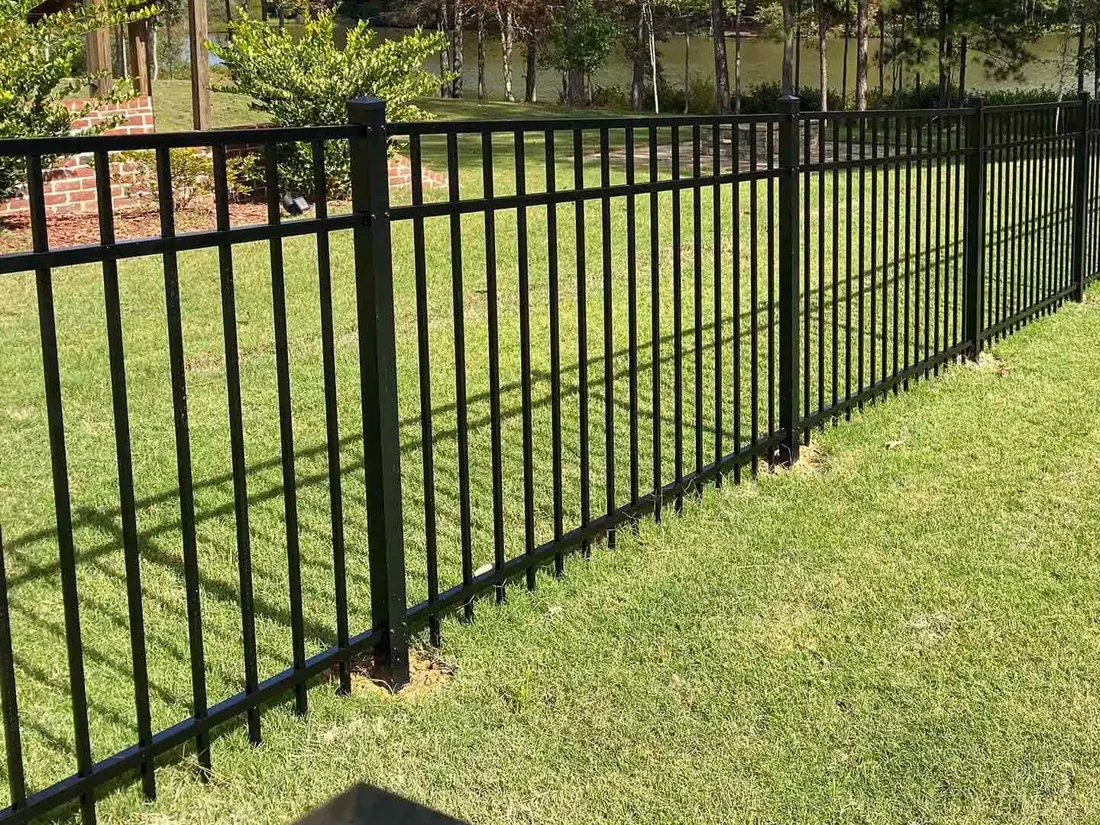
Pool Fencing with DJ Fence & Gate
Pool fencing needs a different conversation from an ordinary backyard boundary. The route of the barrier, gates, nearby structures, and access from the home all belong in the planning process.
We discuss pool-area fencing for new projects and existing properties, including gate concerns and replacement sections. Share any plans, inspection comments, or requirements you have received from the local authority before choosing a style.
A product’s appearance alone does not establish that a complete installation meets the requirements for your pool. We’ll review the proposed layout and the project information with you. Final requirements and approvals must be confirmed with the applicable authority.
The details that matter
Coordinate the proposed barrier with the pool layout, yard, access points, and surrounding structures.
Review the full existing enclosure before deciding whether to replace selected sections or change the layout.
Tell us if a gate is not closing or latching correctly. Keep access secured while the issue is being addressed.
Discuss available fence styles alongside the opening, gate, height, and layout requirements for the project.
Compare the details
Start with the look you like, then compare privacy, access, care and the needs of your property.
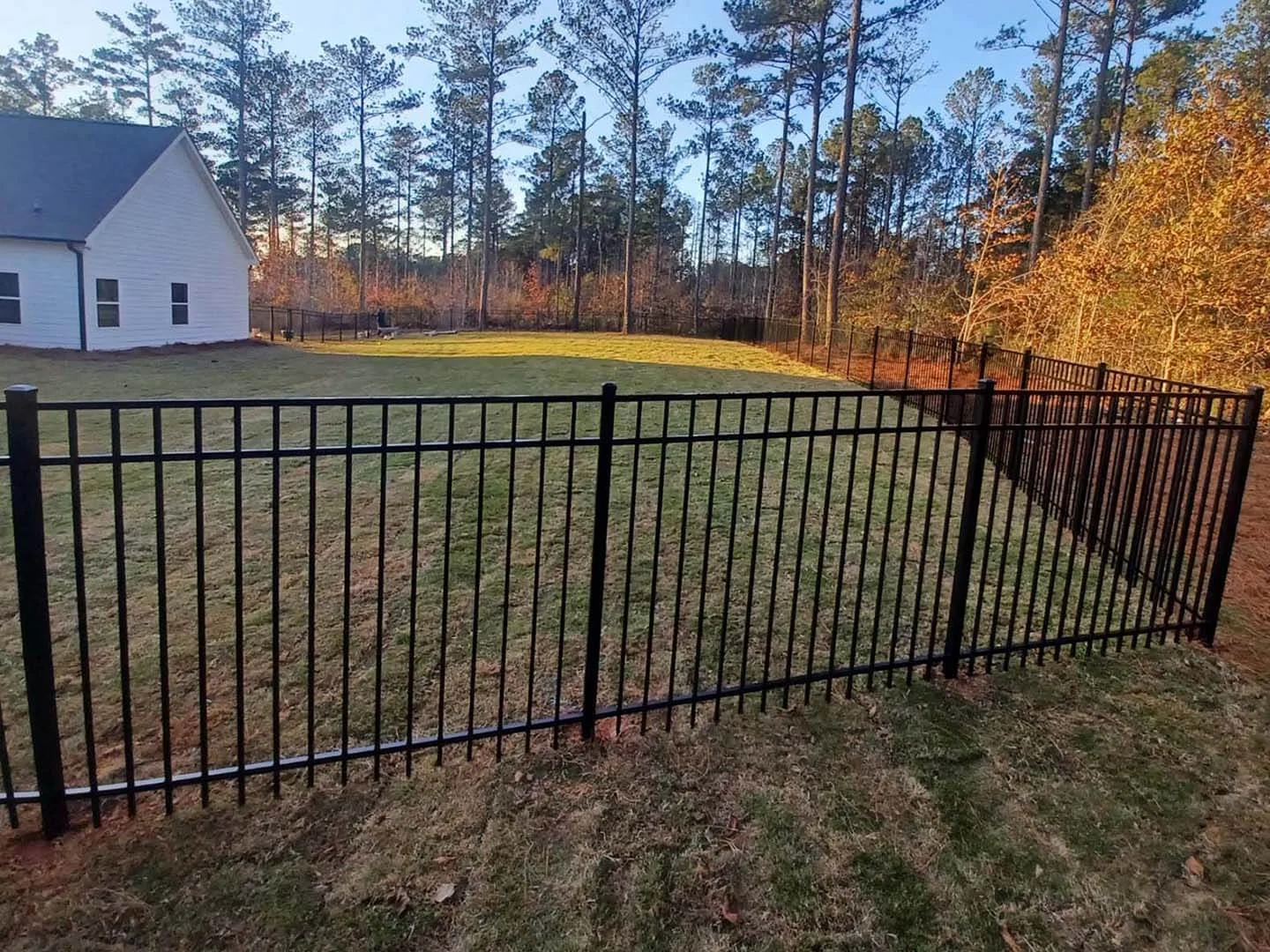
A smooth top rail keeps the profile simple. Compare panel height, picket spacing and the way the fence follows the ground.
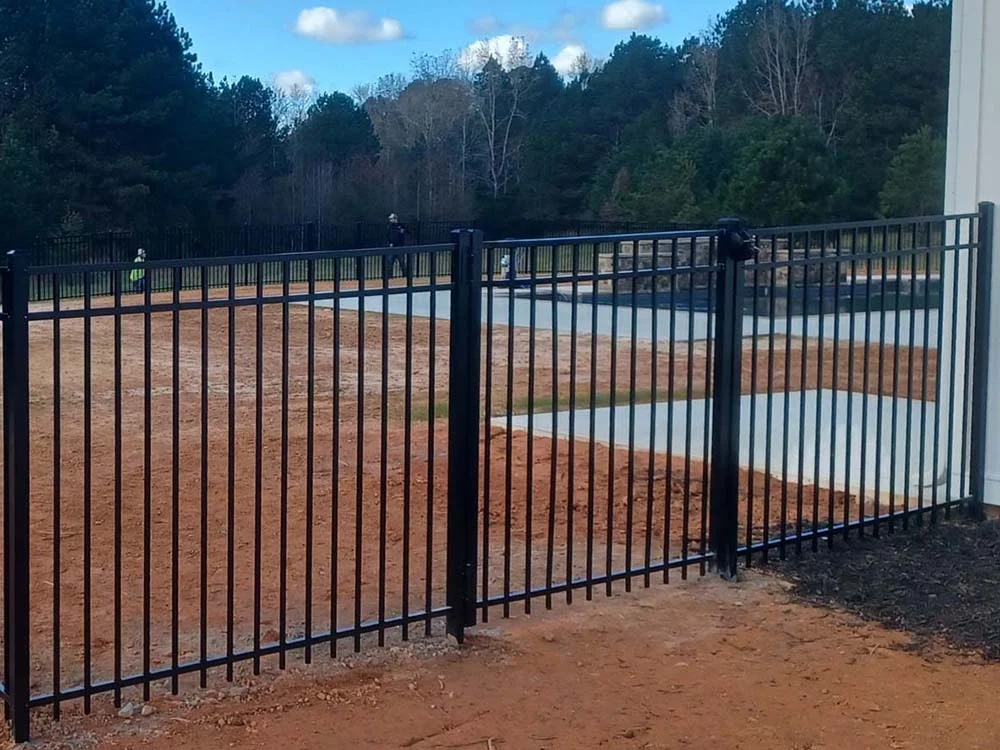
An open aluminum layout keeps the pool in view. Select the panel, gate and hardware as one barrier system, with local requirements checked before installation.
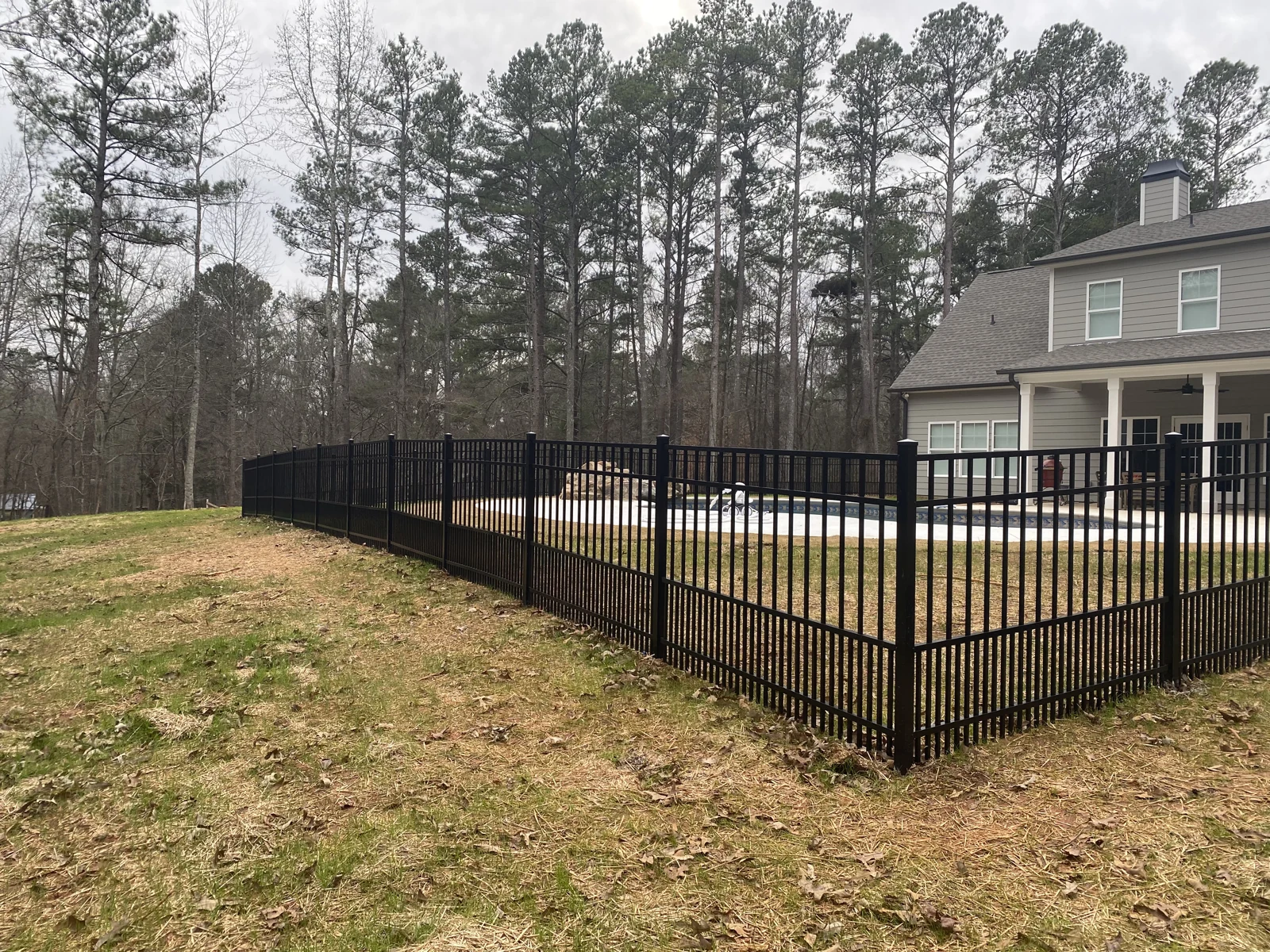
A coordinated corner closes the yard without a solid privacy screen. Plan returns, post positions and the usable space inside the fence.
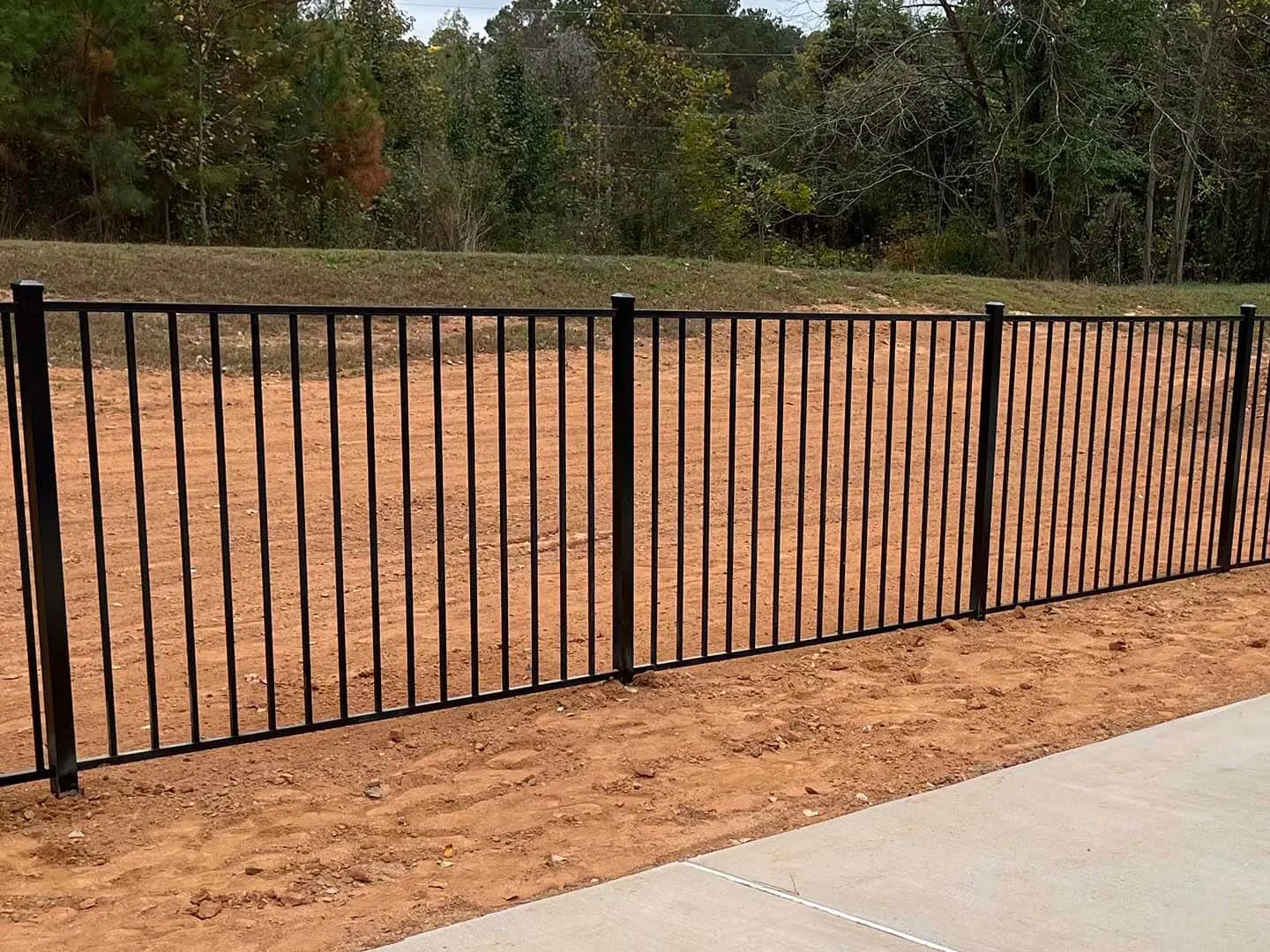
A consistent rail line gives a longer boundary a clean appearance. Discuss stepped or racked sections where the ground changes.
A closer look
Two-rail and three-rail designs create different visual proportions. Puppy-picket and spear-top styles change the appearance and openings. A style name alone does not establish suitability for a pool or animal enclosure.
Bring the important dimensions into the estimate: overall height, picket spacing, clearance below the panels and the gate opening. For pets, tell us about the animal's size and any climbing or digging behavior.
Some panel systems can adjust to a slope within their specified limits. Stepping or another transition may be needed where the ground changes more sharply. We review the chosen product and the terrain together.
Corners, retaining features and connections to structures need details of their own. Check what the finished fence will look like at the top and bottom of a slope, not just along a level sample section.
If the fence forms a pool barrier, tell us at the start. The selected design, openings, closing and latching arrangement must be evaluated against the applicable requirements; an open metal fence is not automatically a compliant pool barrier.
For other uses, think about routine foot traffic and occasional equipment access. Hardware, gate width and support conditions should suit both, without leaving an entrance that is awkward to use.
Pool code & gate hardware
Start with the whole barrier: fence height, openings, gate travel, latching and nearby structures. Georgia DCA lists the 2024 International Swimming Pool and Spa Code with Georgia amendments among its current construction codes. Check Georgia’s current code listing.
This is a planning guide, not a complete code checklist or a guarantee of approval. Confirm the applicable code edition, amendments, permits and inspection requirements with the authority for your property; public and community pools need additional review.
The model code does not allow a 4-inch-diameter sphere to pass through general barrier openings; chain-link openings have a tighter 1¾-inch limit. Check the gate edges, the fence-to-house connection and changes in grade, not just the space between pickets. ISPSC §§305.2.2 and 305.2.8.
Ask us to review the complete enclosure, including any existing sections that will remain.
The model-code baseline is a barrier at least 48 inches high, measured from the outside. Its bottom-clearance limits are 2 inches over nonsolid ground such as grass or gravel and 4 inches over a solid surface such as concrete; special barrier systems can have different provisions. ISPSC §305.2.1.
Changes in grade, retaining walls and nearby raised surfaces need their own review. Confirm the required height for your property rather than ordering by nominal panel size.
Where the tops of horizontal rails are less than 45 inches apart, the model code places those rails on the pool side and limits vertical-member spacing to 1¾ inches. With rail tops 45 inches or more apart, vertical spacing can be up to 4 inches, subject to the other opening rules. ISPSC §§305.2.6–305.2.7.
A fence that looks tall enough may still have the wrong rail layout. Decorative openings, adjoining structures and equipment also belong in the review.
Pedestrian pool gates must open outward, away from the pool or spa, and be self-closing and self-latching under the model code; they must not swing over stairs. Utility and double-gate arrangements have separate provisions. ISPSC §305.3.
Plan a clear swing path and stable gate posts. Tell us immediately if an existing gate drags, needs a push to close or misses the latch; keep pool access secured while the problem is addressed.
MagnaLatch Series 3 Top Pull is a magnetic child-safety gate latch with vertical and horizontal adjustment and a lock-status indicator. Its exact model, mounting position and gate gap must suit the installation. D&D MagnaLatch specifications.
Latch height is not one universal measurement: the 2024 model code requires at least 54 inches for a residential latch release accessed from outside that is not self-locking, while other release arrangements have different rules. An inside release also triggers tighter nearby opening limits. ISPSC §§305.3.3–305.3.4.
TruClose hinges provide adjustable self-closing spring tension, with different models for gate materials, weights and use levels. Select the hinges for the actual gate rather than treating every hinge in the range as interchangeable. D&D TruClose hinge range.
Check that the gate closes and latches without assistance, follow the hardware instructions and never prop the gate open. A barrier is only one layer of protection and does not replace close adult supervision. CPSC pool barrier safety guidance.
Send a photo of the whole opening and close-ups of the hinges and latch. We will review the gate and its supports together, then identify the proposed material, hardware and installation scope.
Explore pool gates Discuss your pool barrierSee the possibilities
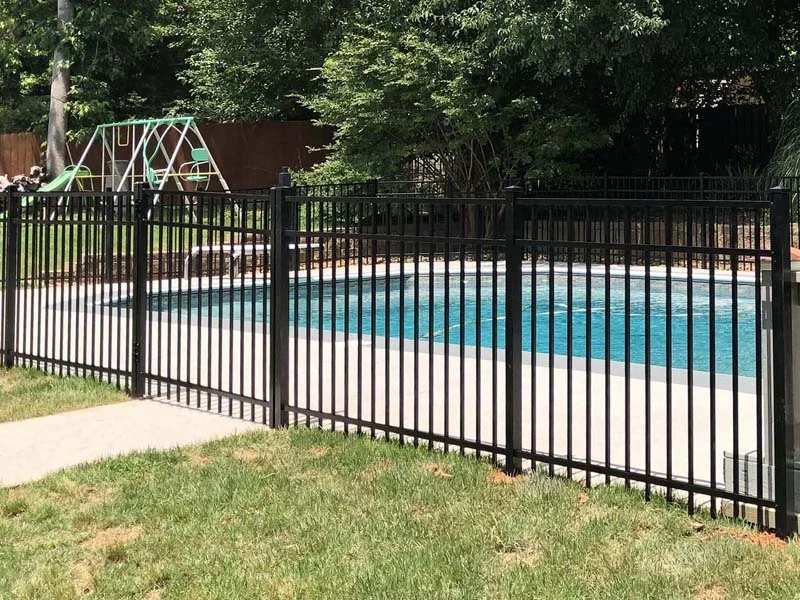
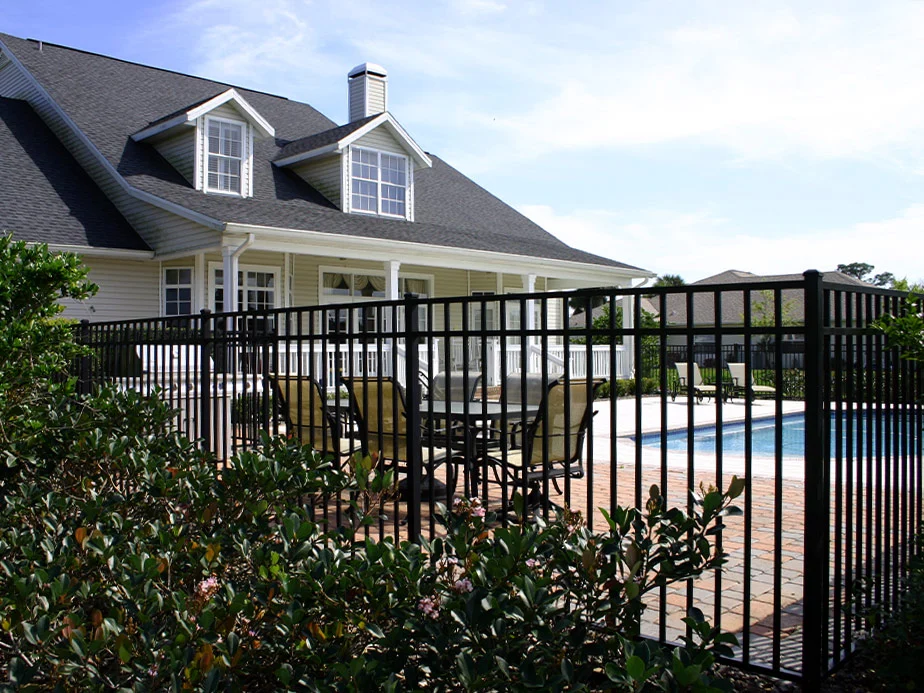
Use these design examples to compare layouts, finishes and openings. Share the details you like when you request an estimate.
A clear way forward
Have the pool plan, property information, and any local inspection or permit requirements ready.
Identify how people reach the pool from the yard, home, driveway, and nearby structures.
Gate hardware and operation are part of the barrier discussion, not an afterthought.
Follow the applicable requirements and manufacturer instructions, maintain the barrier, and continue active adult supervision.
We stand behind our work
Qualifying complete new residential installations are covered for as long as the original customer owns the property. Non-transferable. Material defects, natural wood changes, and other exclusions apply. Repairs and commercial work have separate terms.
Before we get started
No. The complete design and installation need to meet the requirements that apply to your pool. Material choice alone is not a compliance decision.
Yes. Explain the problem when you contact us and keep the pool access secured. Do not rely on a gate that is failing to close or latch.
The applicable local authority and project requirements control. We do not use one fence-height rule for every property in every county.
That needs to be reviewed against the applicable requirements and the access points from the home. Share your layout and any direction from the authority reviewing the project.
No. Pool-barrier suitability depends on the specific design, dimensions, installation and gate hardware, as well as applicable local requirements.
They may help reduce lower openings, but the actual spacing, gate gaps and ground clearance must be checked for your animal.
Explore your options
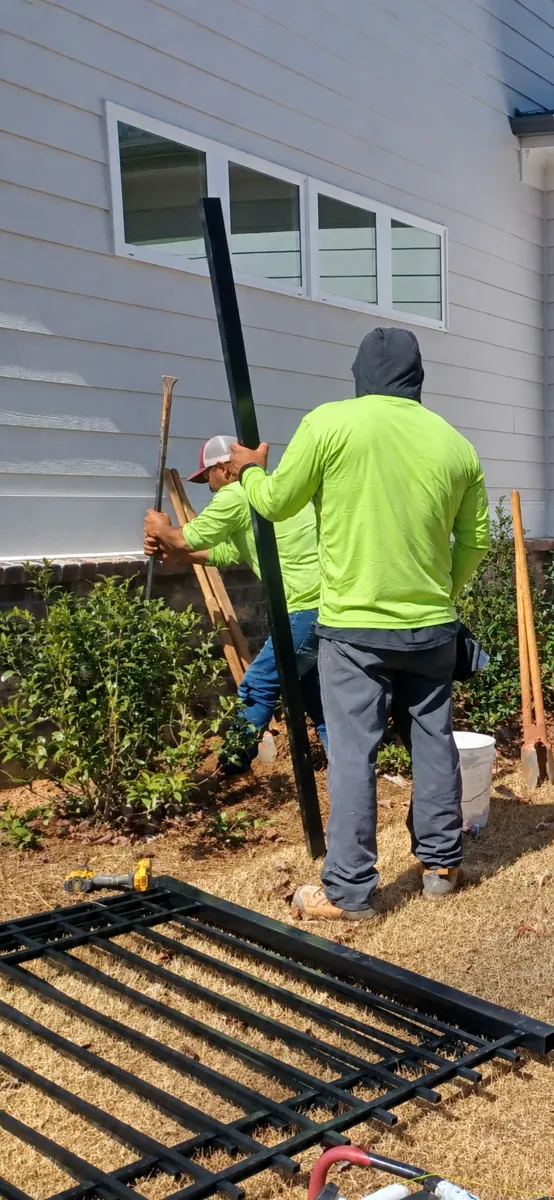
Leaning posts, broken boards, storm-damaged sections, and everyday wear. Let’s look at what can be fixed before you commit to a whole new fence.
Take a closer look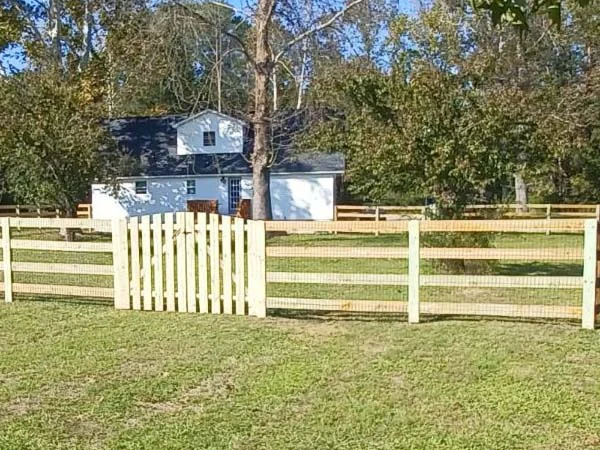
Walk gates, driveway entrances, and commercial openings designed around the way people and vehicles use your property.
Take a closer look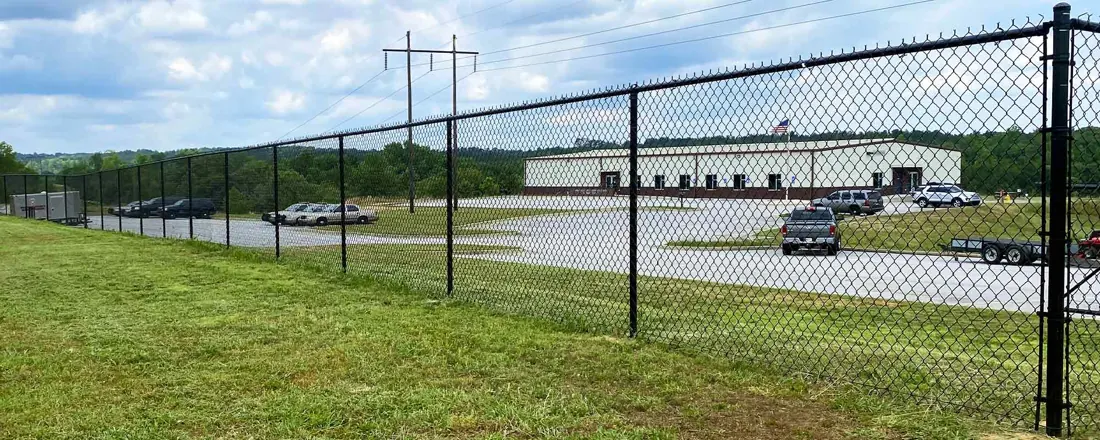
Commercial fencing, repairs, gates, and access control for property owners, facility teams, general contractors, and public-sector projects.
Take a closer lookClose to the work
Based in Paulding County, with residential and commercial service across these eight counties.
Let’s get it taken care of
Share the location and a few details. We’ll follow up to discuss the work, answer questions, and arrange the next step.
(678) 245-1920Have photos? Text them to our main number. For commercial plans, email your documents or include a sharing link in the form.